I grew up in a small, nameless restaurant tucked behind a car parking lot in Darjeeling. My earliest memories carry the smell of petrol mingling with food and the murmurs of half-drunken storytellers who, between sips, narrated the 1857 revolt and other tales that became my first classrooms. I learned early that knowledge does not only reside in books but also in people—their laughter, pain, and memories. Growing up, I did not know what it meant to belong to an Indigenous community. My family was distant from ancestral lands or language, and like many girls from small towns, I left for Delhi seeking education and livelihood, believing that independence and schooling were the only paths to dignity. The hydropower issues which began in 2007 for Lepchas of Sikkim and the Darjeeling Himalaya launched a 915-day hunger strike against dams in Dzongu to protect the sacred land. The movement, led by Affected Citizens of Teesta, changed my life and deepened my understanding of environmental justice and the responsibilities of indigeneity. I still walk the path which had once shaken me with great care and reverence. The stories that I narrate comes from an effort to understand the land and rivers a bit closely. My representation does not just come through my Indigeneity as a Rongmith from Ney Mayal Lyang but deep concern for Mother Nature. Through this intention, I also walk the path of a humanity wanting to create a balance among us through the stories and the medicine that these stories carry.
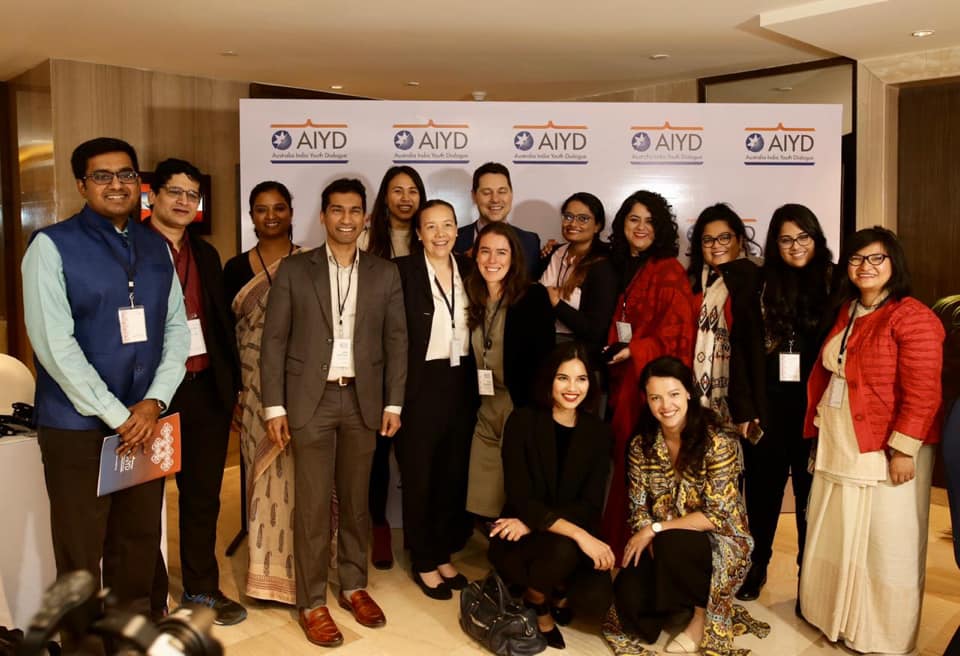
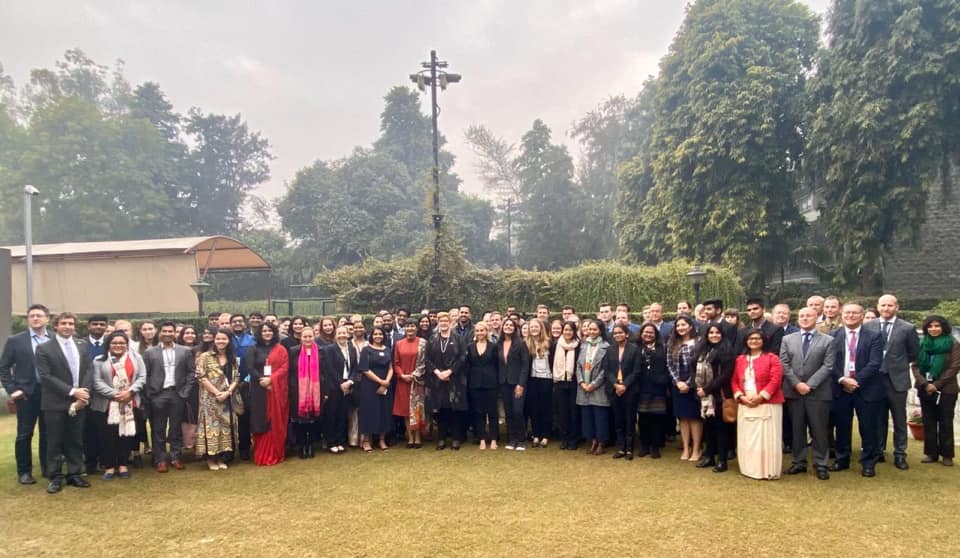
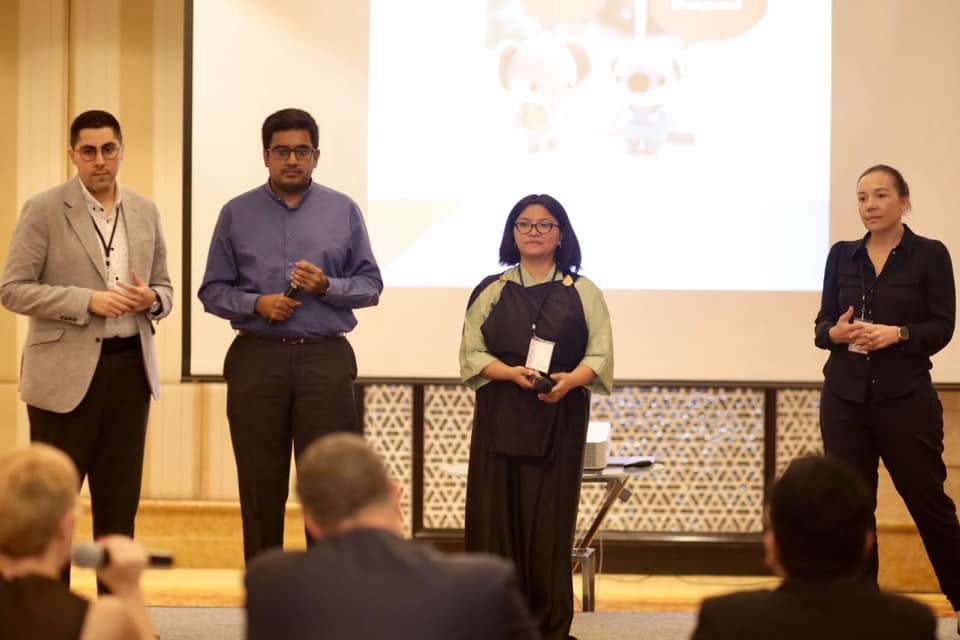
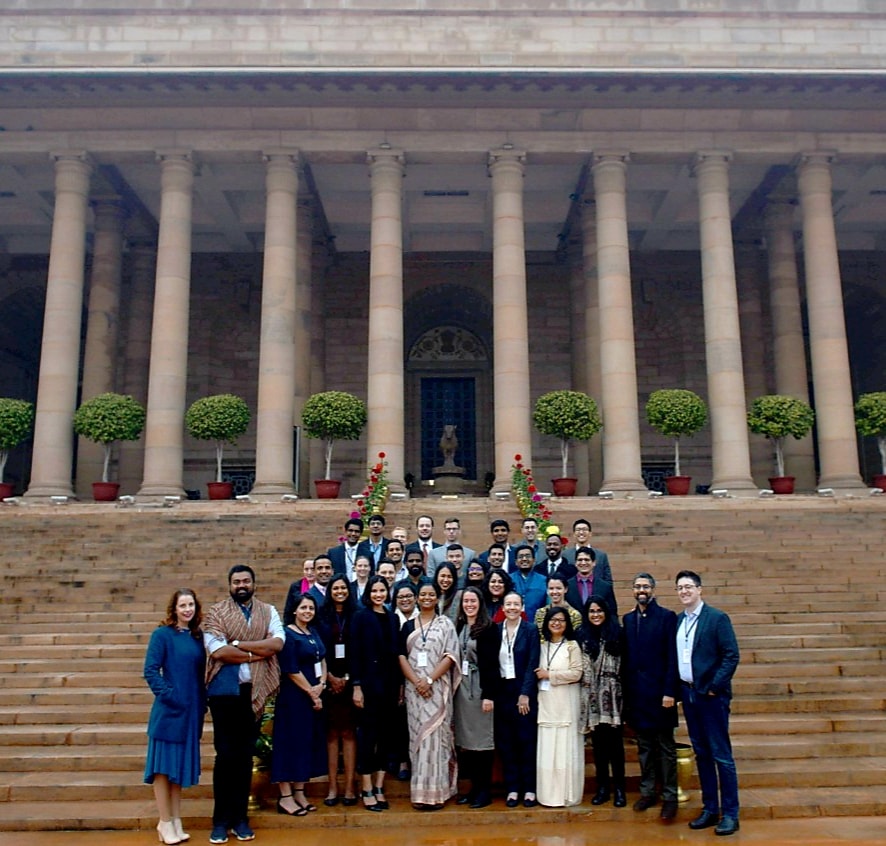
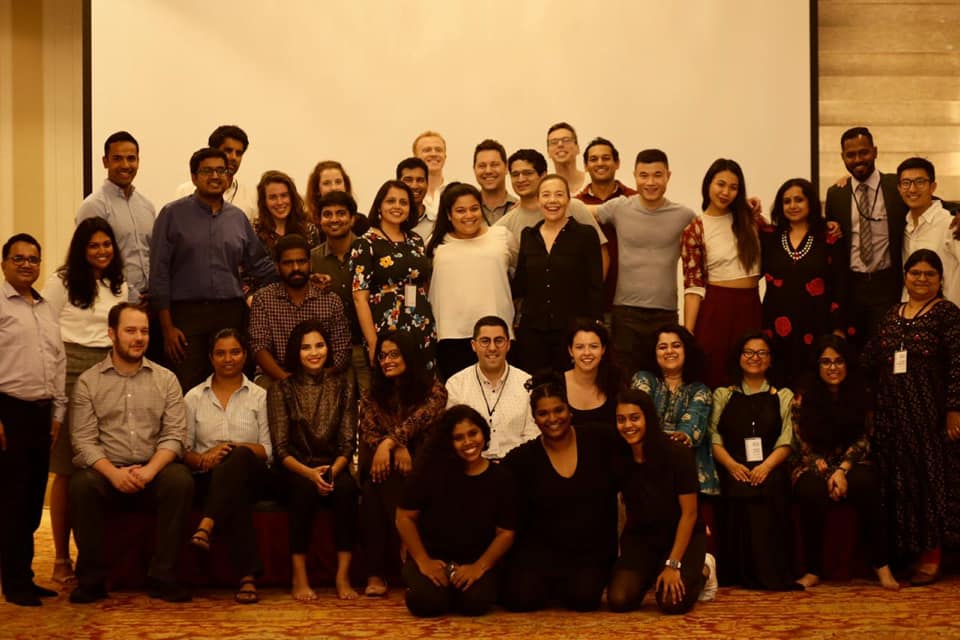
Represented India for Australia Youth India Dialogue 2020
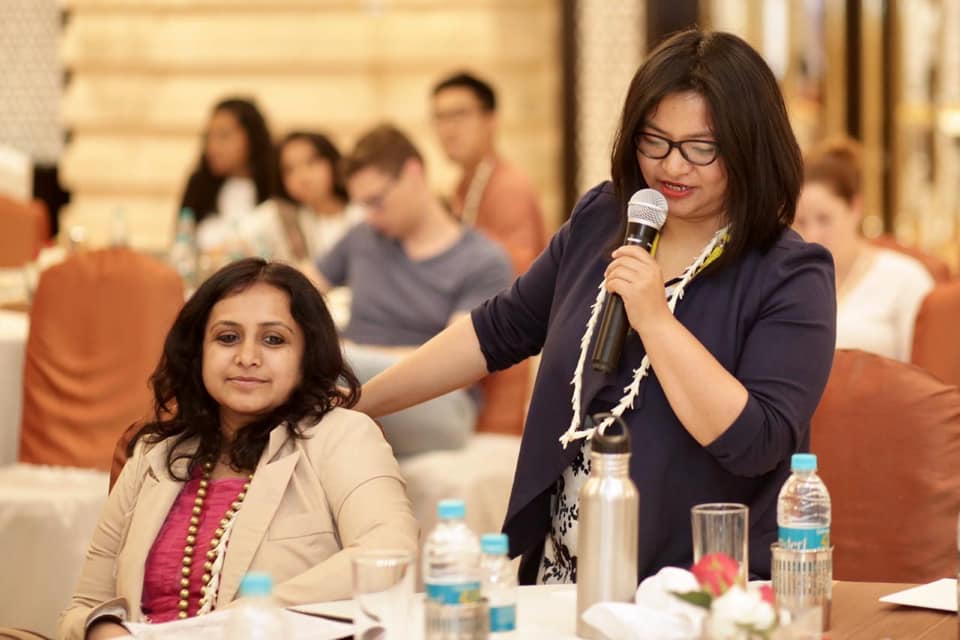
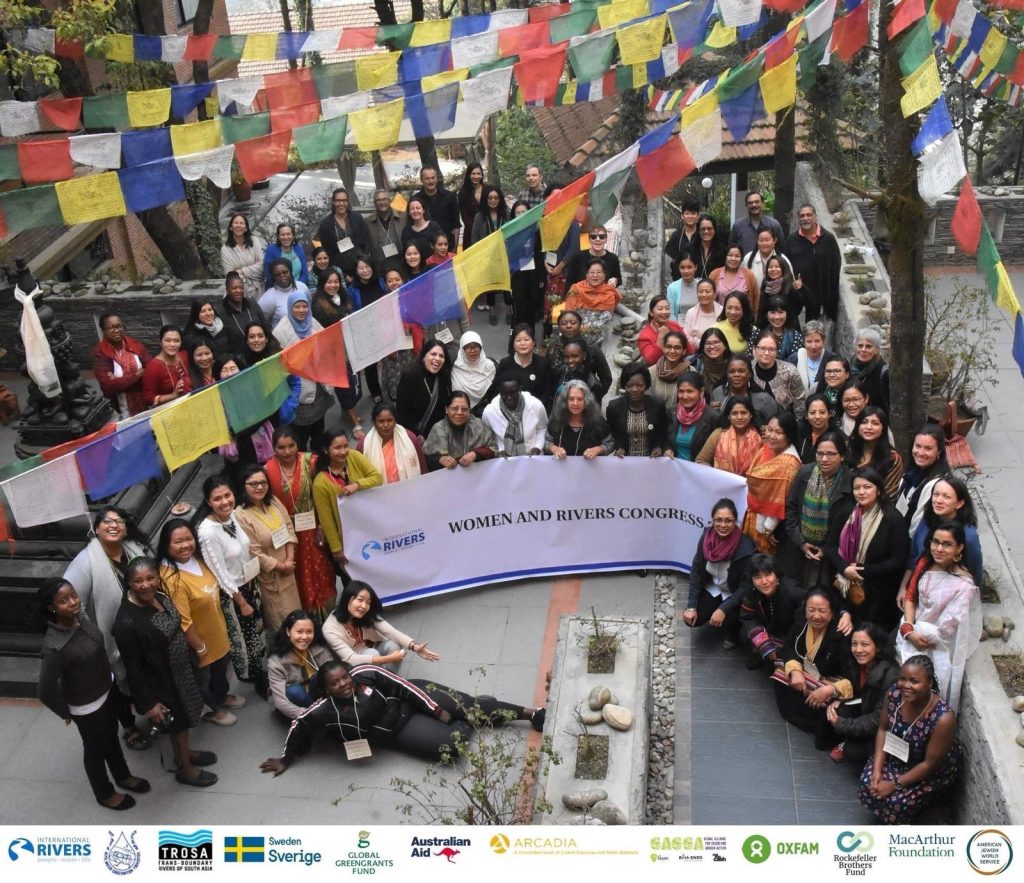
Represented Teesta for Women and River Congress 2019
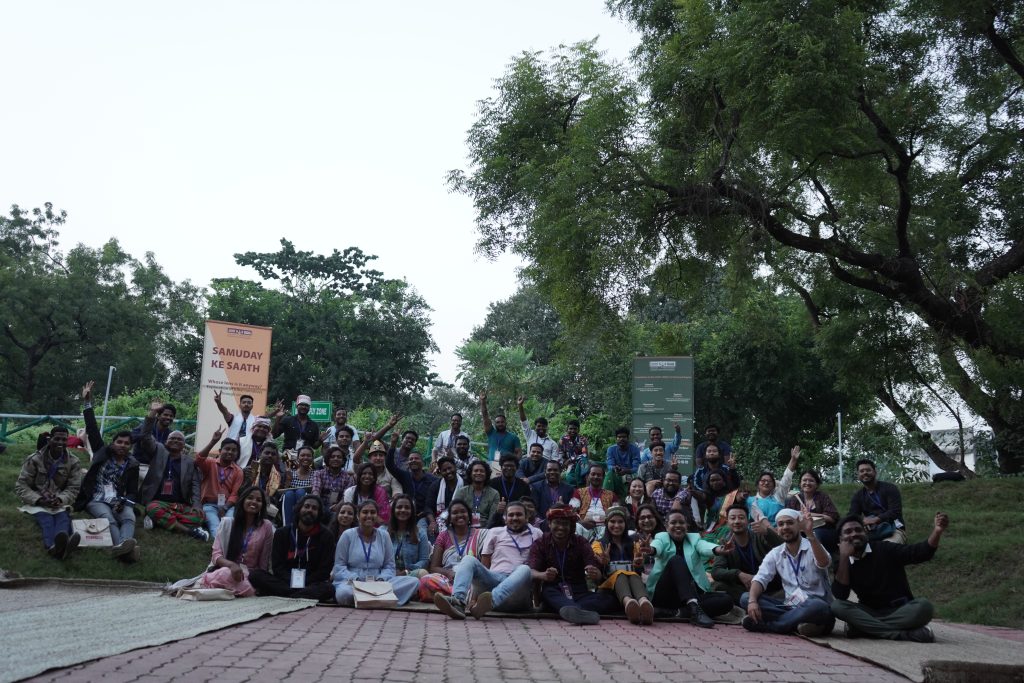
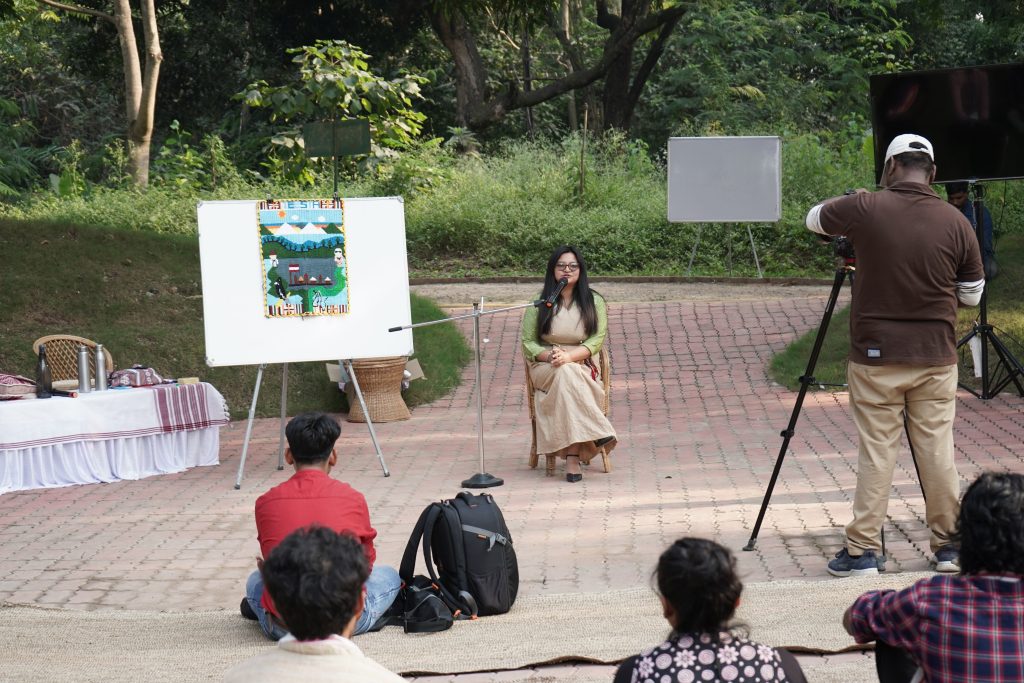
Represented Mutanchi community in Samuday ke Saath Festival 2022
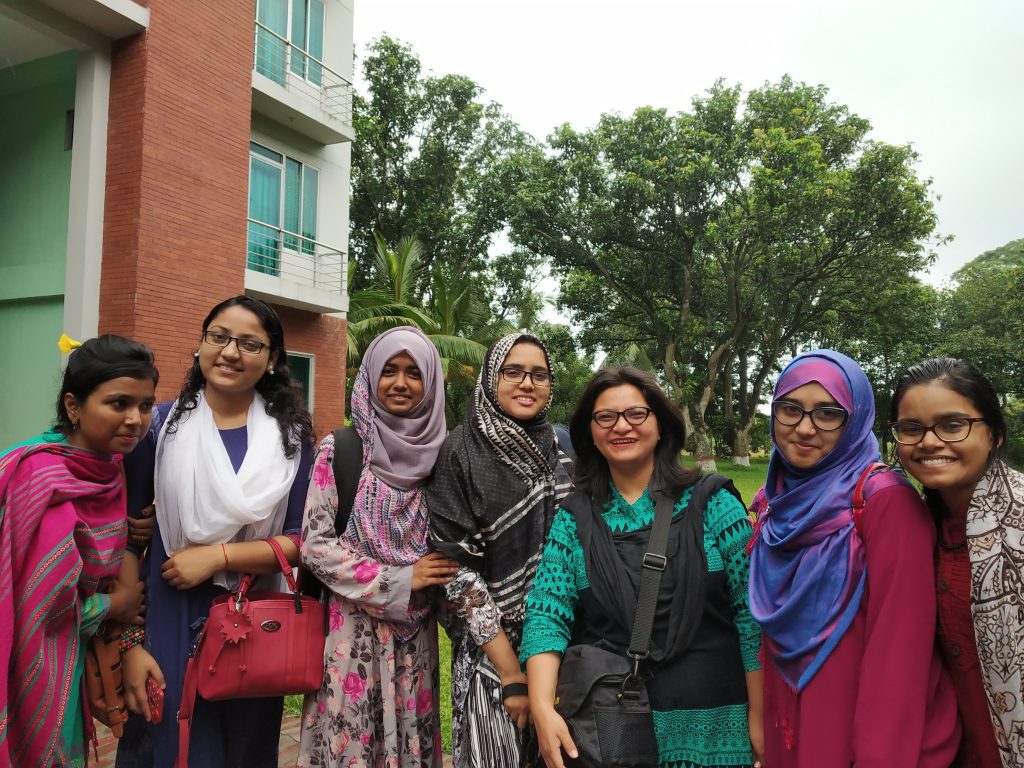
River Youth Camp 2019 as a mentor